Meta Description: Learn how to choose the right book based on your interests, reading goals, mood, and preferences. Discover practical tips to find books you’ll truly enjoy.
Introduction
Choosing the right book can transform your reading experience. A book that matches your interests, goals, and reading style keeps you engaged, motivated, and eager to read more. On the other hand, choosing the wrong book can make reading feel like a chore.
Many people believe they do not enjoy reading when the real problem is that they have not yet found the right book. With millions of books available across different genres and formats, finding your next great read can feel overwhelming.
Research from various reading surveys shows that nearly 40% to 50% of readers abandon at least one book each year because it does not meet their expectations. This highlights the importance of learning how to choose books you’ll enjoy.
This guide will help you identify your interests, evaluate books effectively, discover reliable recommendation sources, and develop a smart reading strategy for long-term success.
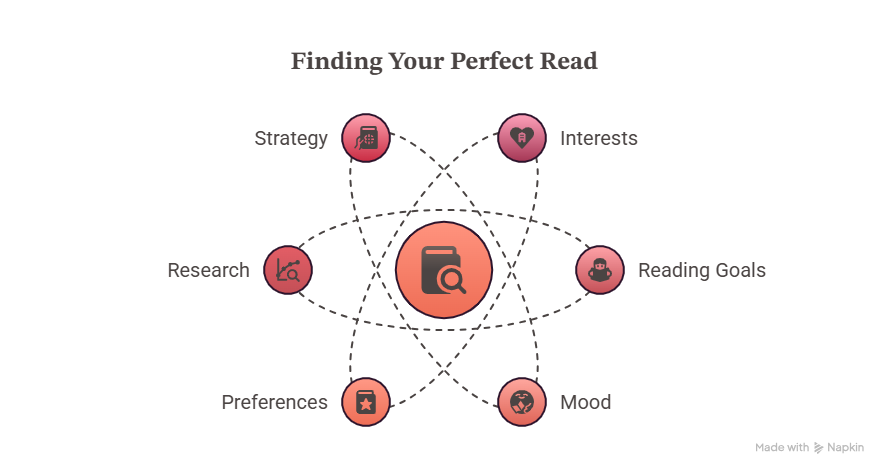
Why Choosing the Right Book Matters
The right book creates a better reading experience. When a book aligns with your interests and preferences, you are more likely to finish it and continue reading regularly.
Good book selection also improves reading consistency. Readers who enjoy their books are more likely to develop lasting reading habits and gain benefits such as improved vocabulary, better focus, increased knowledge, and reduced stress.
Studies have found that reading for pleasure can reduce stress levels by up to 68%, making book selection an important factor in maximizing the benefits of reading.
Choosing books carefully also helps readers avoid reading slumps, frustration, and unnecessary spending on books they may never finish.
Identify Your Personal Interests
Why Self-Awareness Is the First Step
Before choosing a book, understand what genuinely interests you. Self-awareness helps narrow your options and increases the likelihood of finding books that you enjoy.
Favorite Movies and Media
Your favorite movies, television shows, podcasts, and online content can provide valuable clues.
Genres often overlap across different forms of media.
For example:
- Action movie fans may enjoy thrillers and adventure novels.
- Fantasy movie lovers may enjoy fantasy series.
- Crime show enthusiasts may enjoy mystery novels.
- Documentary viewers may enjoy history and non-fiction books.
If you already enjoy certain types of stories on screen, you will likely enjoy similar themes in books.
Hobbies and Personal Interests
Your hobbies can guide your book selection.
Consider books related to:
- Sports
- History
- Science
- Technology
- Travel
- Personal development
- Business
- Health and wellness
- Arts and creativity
Reading about topics you already enjoy makes it easier to stay engaged.
Purpose Behind Reading
Different readers have different goals.
Ask yourself why you want to read.
Common reasons include:
- Entertainment
- Learning
- Skill development
- Relaxation
- Inspiration
- Career growth
Understanding your purpose helps you choose books that match your expectations.
Follow Your Curiosity
Curiosity is one of the strongest drivers of reading motivation.
Think about topics you frequently search online, discuss with friends, or watch videos about.
These subjects often make excellent starting points for your reading journey.
Evaluate Potential Books
How to Judge Whether a Book Is Worth Reading
Not every book will be right for you. Learning how to evaluate books can save time and improve your reading experience.
The 50-Page Rule
Many experienced readers follow the 50-page rule.
The concept is simple:
- Read the first 50 pages.
- Assess your level of engagement.
- Continue if interested.
- Stop if the book does not connect with you.
Life is too short to force yourself through books you do not enjoy.
Cover Design and Presentation
Book covers often communicate important information about genre and tone.
A thriller usually looks different from a romance novel or a business book.
However, never choose a book solely because of its cover.
An attractive cover should encourage further investigation rather than serve as the final decision-making factor.
Read the Blurb and Synopsis
The blurb provides a quick overview of the story or content.
Look for:
- Main themes
- Central topics
- Target audience
- Overall tone
A well-written synopsis helps determine whether the book aligns with your interests.
Assess Writing Style
Writing style plays a major role in reader satisfaction.
Consider whether you prefer:
- Simple or complex language
- Fast-paced or detailed storytelling
- Informal or academic writing
A mismatch in writing style is one of the most common reasons readers abandon books.
Sample Chapters and Previews
Many bookstores and digital platforms offer free previews.
Reading a sample chapter allows you to:
- Test readability
- Experience the author’s voice
- Evaluate pacing
- Assess complexity
This simple step can prevent disappointing purchases.
Balanced Reader Reviews
Read both positive and negative reviews.
Pay attention to recurring comments.
If many readers mention weak pacing or confusing writing, those observations may be worth considering.
Likewise, repeated praise for storytelling or practical advice may indicate strengths.
Use Reliable Sources of Discovery
Where to Find Your Next Great Read
Finding your next read becomes easier when you use trusted recommendation sources.
Recommendations From Friends
Friends often understand your preferences and can suggest books that match your interests.
Personal recommendations remain one of the most trusted forms of book discovery.
Book Swaps and Reading Groups
Reading groups expose you to books you may never discover on your own.
They also provide opportunities for discussion and deeper understanding.
Librarians and Teachers
Librarians and teachers are excellent resources.
Their expertise allows them to recommend books based on age, interests, reading level, and goals.
Many readers discover favorite books through librarian recommendations.
Bestseller Lists
Bestseller lists can highlight popular and widely appreciated books.
However, popularity does not guarantee personal enjoyment.
Use bestseller lists as inspiration rather than strict guidance.
Online Reading Communities
Popular communities include:
- Goodreads
- BookTok
- Reading forums
- Book blogs
These platforms provide reviews, recommendations, reading challenges, and discussions.
Book-related content on social media now generates billions of views annually, influencing reading trends worldwide.
Digital Discovery Platforms
Useful tools include:
- Libby
- Beanstack
- Library catalogs
- Reading apps
These platforms offer personalized recommendations and easy access to books.
Consider Contextual Factors
Match Books With Your Current Situation
The best book today may not be the best book next month.
Context matters.
Current Mood and Emotions
Your emotional state influences reading enjoyment.
Examples include:
- Comfort reads during stressful periods
- Motivational books during challenging times
- Escapist fiction when seeking entertainment
Choosing books that match your mood increases satisfaction.
Reading Environment
Think about where you usually read.
For example:
- Home reading may support longer books.
- Travel reading may favor lighter books.
- Commuters may prefer audiobooks.
Available Reading Time
Your schedule matters.
If you have limited time, consider:
- Short books
- Essays
- Audiobooks
- Novellas
Busy readers often benefit from shorter reading commitments.
Current Life Situation
Different life stages create different reading needs.
Examples include:
- Students seeking academic growth
- Professionals pursuing career advancement
- Parents looking for family resources
- Retirees exploring new interests
Select books that support your current priorities.
Develop a Smart Reading Strategy
Build a Sustainable Reading Habit
Successful readers focus on consistency rather than volume.
Fiction vs Non-Fiction
Neither category is inherently better.
Fiction often improves empathy, creativity, and imagination.
Non-fiction supports learning and practical knowledge.
A balanced reading diet provides the greatest benefits.
Focus on Quality Over Quantity
Reading ten meaningful books can be more valuable than reading fifty books that fail to leave an impact.
Prioritize value over numbers.
Start With Short Books
Beginners often benefit from shorter books.
Completing books builds confidence and motivation.
Success creates momentum.
Balance Familiar and New Genres
Reading familiar genres provides comfort.
Exploring new genres encourages growth and discovery.
A healthy mix keeps reading exciting.
Track Reading Progress
Tracking helps maintain motivation.
Useful methods include:
- Reading journals
- Goodreads tracking
- Reading logs
- Digital reading apps
Many readers find that monitoring progress increases accountability.
A Simple 5-Step Framework for Choosing Books
Step 1: Identify Interests
Start with subjects and genres you naturally enjoy.
Step 2: Define Your Reading Goal
Determine whether you want entertainment, education, inspiration, or relaxation.
Step 3: Evaluate the Book
Read the synopsis, reviews, and sample chapters.
Step 4: Check Recommendations
Consult trusted sources such as librarians, friends, and reading communities.
Step 5: Read a Sample
Test the writing style before committing.
This framework reduces guesswork and improves book selection success.
Common Mistakes Readers Make
Choosing Books Only Because They Are Popular
Popular books may not match your interests.
Ignoring Personal Interests
Reading becomes difficult when the subject does not genuinely interest you.
Judging Solely by the Cover
A beautiful cover does not guarantee a great reading experience.
Forcing Yourself to Finish Every Book
Not every book deserves completion.
If a book consistently fails to engage you, it is acceptable to move on.
Following Other People’s Preferences
Your reading preferences are unique.
Choose books that work for you rather than trying to match someone else’s tastes.
Quick Summary
Choosing the right book starts with understanding yourself.
Identify your interests, goals, and reading preferences. Evaluate books carefully using previews, reviews, and synopses. Use trusted recommendation sources and consider your current situation. Focus on enjoyment rather than reading quantity.
The right book can inspire learning, reduce stress, improve knowledge, and create a lifelong love of reading.